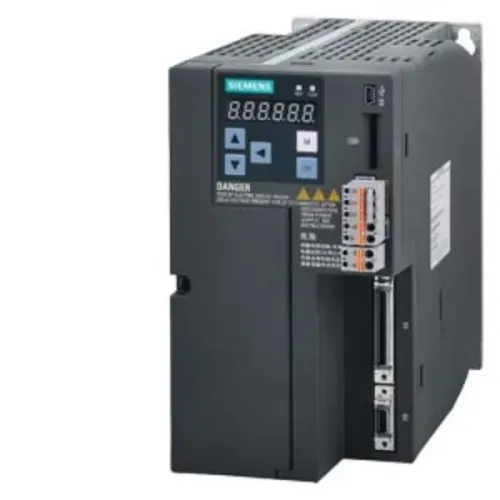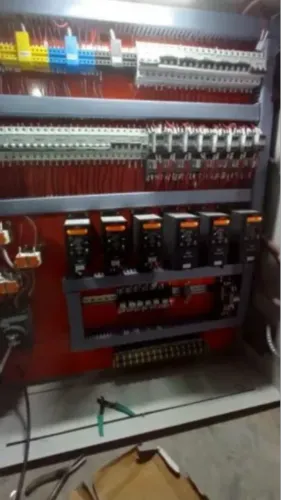
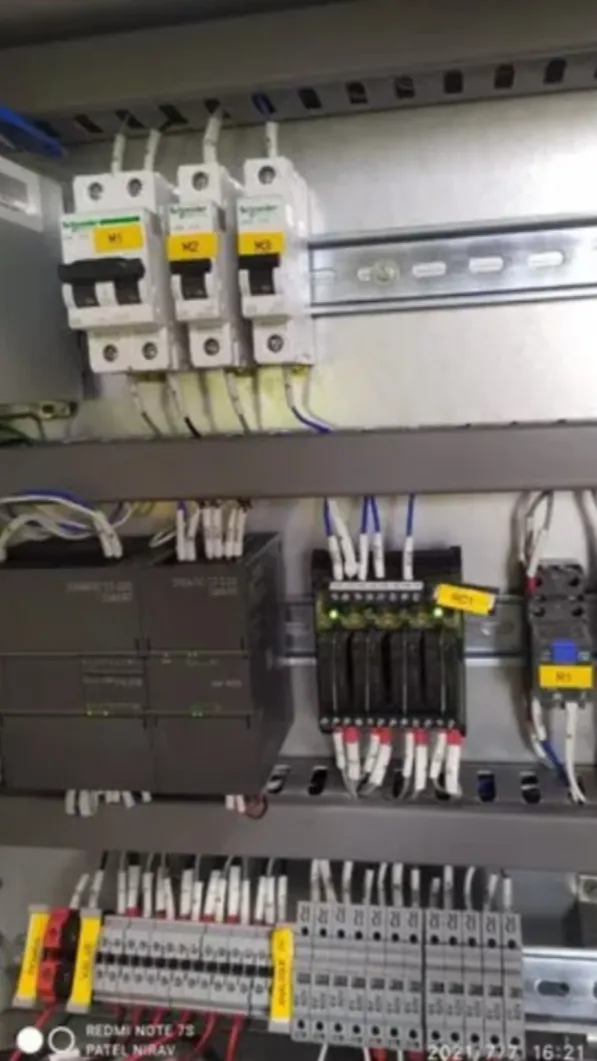
A PLC controls decisions within many automated machines and industrial processes. It receives signals from field devices, processes programmed logic, then sends commands to motors, valves, relays, drives, and other equipment.
For businesses evaluating a Schneider PLC Supplier Gujarat, the first question should not simply be which PLC model is available. The better question is what the automation system needs to accomplish.
Prepare the Machine Sequence
Begin by documenting how the machine should operate.
A simple sequence might include detecting a product, starting a conveyor, positioning material, activating an actuator, confirming completion, then moving to the next stage.
More complex systems may contain multiple operating modes, process conditions, alarms, timers, interlocks, and recipes.
Documenting this sequence helps define the control requirement.
Count Digital Inputs
Digital inputs typically represent ON/OFF conditions.
Examples include:
- Push buttons
- Selector switches
- Limit switches
- Proximity sensors
- Level switches
- Pressure switches
- Fault contacts
A complete input list helps determine the PLC's required I/O capacity.
Identify Analog Signals
Industrial processes may also use continuously changing measurements.
Temperature, pressure, level, flow, speed, and other process variables may require analog inputs.
Analog outputs may be needed for reference signals or control functions.
Signal types should be identified before PLC hardware is finalised.
Determine Output Requirements
Outputs allow the PLC to operate equipment.
These may include contactors, relays, solenoid valves, indicators, buzzers, VFD commands, and other devices.
The number and type of outputs should be documented in the I/O list.
Check Communication Needs
A modern PLC rarely operates completely alone.
It may need to communicate with:
- HMIs
- VFDs
- Energy meters
- Remote I/O
- Other PLCs
- Supervisory systems
- Production monitoring systems
Required communication protocols should be identified during planning.
Allow for Reasonable Expansion
Industrial machines often change over time.
Additional sensors, actuators, production monitoring, or machine functions may be introduced later.
Where future additions are reasonably expected, providing some suitable spare capacity can make modifications easier.
Think About Maintenance
PLC selection should also consider what happens after commissioning.
Maintenance teams benefit from clear drawings, labelled wiring, organised programs, proper backups, and understandable alarm information.
For factories around Vadodara, this can be particularly valuable when internal maintenance engineers need to troubleshoot equipment during production.
Provide Complete Information to the Supplier
When discussing a PLC requirement with Shreeji Automations, useful information can include the I/O list, machine sequence, required communication, HMI requirement, VFD integration, preferred architecture, and expansion expectations.
A PLC should be selected as part of the complete automation system.
For manufacturers, OEMs, and system integrators across Gujarat, defining the application first makes it easier to choose hardware that fits the machine rather than adapting the machine later to suit incorrectly selected hardware.
Keywords