
A manufacturing plant may operate dozens of motors across pumps, fans, conveyors, compressors, process machines, and utility systems. Managing these loads through individual control arrangements can become difficult as the facility grows.
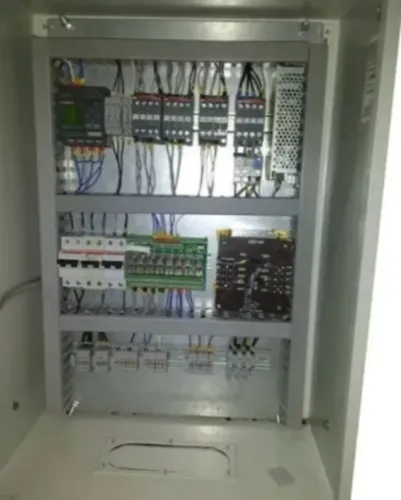
An MCC Panel Manufacturer in Vadodara typically begins panel planning by understanding every motor connected to the proposed motor control centre.
Create a Complete Motor List
A motor list should identify each connected load.
Useful information can include:
- Motor identification
- Power rating
- Rated current
- Voltage
- Application
- Starting method
- Operating duty
- Control requirement
This creates a clearer basis for feeder planning.
Determine the Starting Method
Different motors may require different starting arrangements.
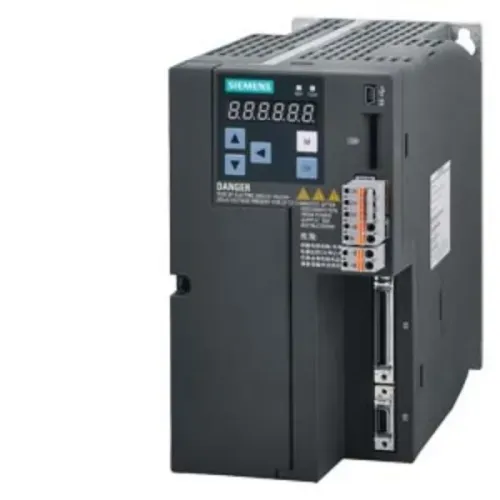
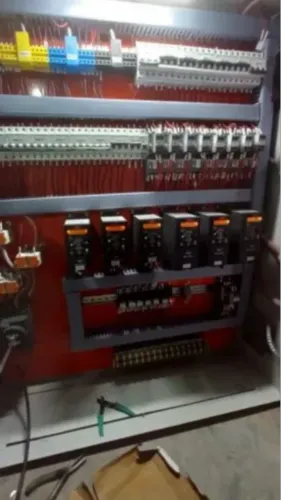
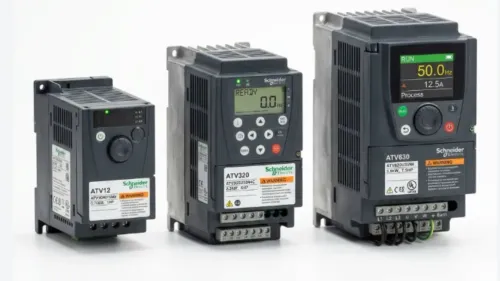
Depending on the application and electrical design, the project may use direct starters, star-delta starters, soft starters, or VFDs.
The starting method affects panel space, component requirements, control wiring, and heat generation.
Define the Control Philosophy
Some motors operate independently.
Others may depend on process conditions.
For example, a pump might start according to a level signal. A conveyor may only operate when another section of the production line is ready.
These control relationships should be documented before panel engineering begins.
Consider Local Control Requirements
Maintenance teams may need local controls for selected motors.
The design should define where start, stop, selector, indication, reset, and emergency functions are required.
The exact arrangement depends on the plant's operating philosophy.
Plan for Heat
An MCC containing multiple starters and drives can generate considerable heat.
Equipment spacing, enclosure dimensions, ventilation, and ambient conditions need attention.
VFD sections may require additional thermal consideration.
Make Maintenance Practical
Maintenance personnel need access to feeders, terminals, protective devices, and control components.
Clear feeder identification and logical wiring can reduce confusion during troubleshooting.
For industrial facilities in Vadodara, this can be valuable when production interruptions need to be investigated quickly.
Consider Future Motors
If plant expansion is expected, discuss it before manufacturing.
Reasonable provisions for future feeders or space can be evaluated according to the electrical design.
Expansion should be planned rather than assumed.
Test Control Functions
Before dispatch, relevant checks may include feeder operation, indications, control logic, interlocks, wiring, and communication functions.
Shreeji Automations manufactures MCC panels and other industrial control systems for applications in Gujarat. Providing a complete motor list, electrical specifications, control philosophy, site conditions, and future requirements helps create a clearer project scope.
A properly planned MCC gives the factory a structured way to manage multiple motors. The quality of that planning depends heavily on accurate motor information and a clear understanding of how each load participates in the production process.
Keywords