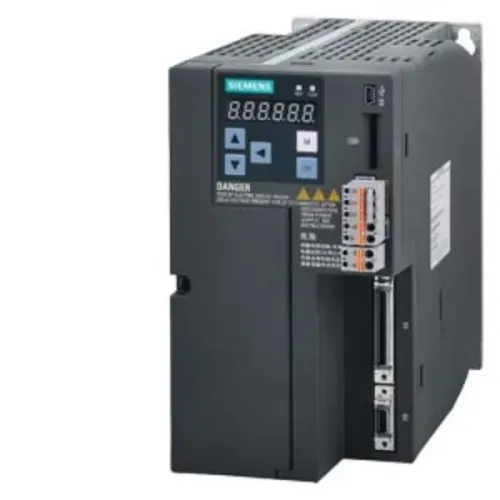
Variable frequency drives are widely used in industrial facilities where motor speed, acceleration, deceleration, or process control needs to be managed electronically. A correctly selected VFD can provide flexible motor operation, but drive selection involves more than matching the kW rating printed on a motor nameplate.
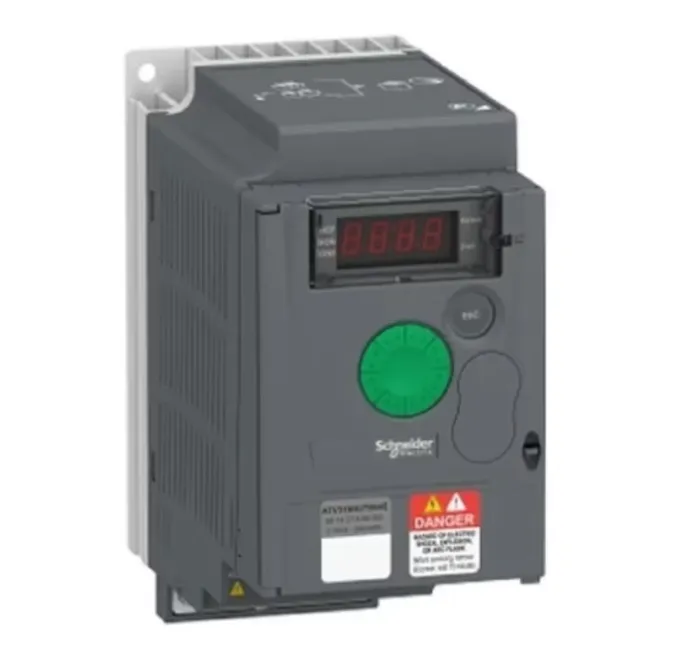
When approaching a Schneider VFD Supplier Gujarat industrial companies should provide enough information to evaluate the actual motor application.
Understand What the Motor Is Driving
Start with the mechanical load.
A motor operating a centrifugal pump behaves differently from one driving a conveyor, mixer, blower, or material-handling system.
Common VFD applications include:
- Pumps
- Fans
- Conveyors
- Mixers
- Blowers
- Process machinery
- Packaging equipment
- Production machines
The load influences starting torque, acceleration, overload requirements, and operating speed.
Review Motor Nameplate Details
Motor nameplate information provides the basic electrical data required for drive selection.
Important details may include motor power, rated current, voltage, frequency, speed, and phase.
Rated current deserves particular attention. Two motors with a similar power rating may not necessarily have identical electrical characteristics.
Define the Required Speed Range
Consider how the motor needs to operate during actual production.
Does it run close to full speed most of the time? Does the process require frequent speed adjustment? Is prolonged low-speed operation expected?
These details influence drive configuration and may also affect motor cooling or mechanical performance.
Consider Starting Torque
Some industrial loads start relatively easily, while others require greater torque.
Conveyors carrying material, mixers containing product, and certain processing machines can place significant demand on the motor during startup.
Describing the load accurately helps the supplier understand the application rather than selecting the drive from motor power alone.
Think About Panel Conditions
A VFD generates heat while operating.
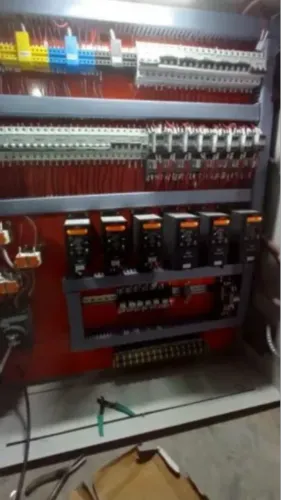
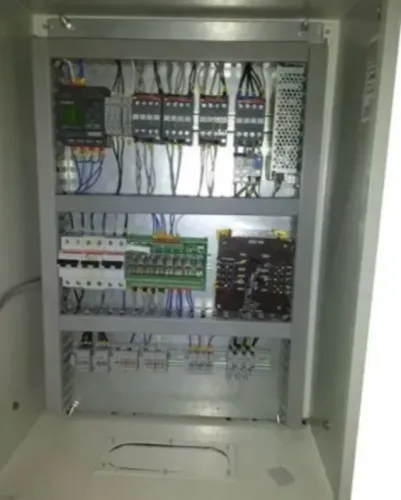
When the drive is installed inside a control panel, the enclosure needs suitable space and thermal management. Ambient temperature, ventilation, dust, equipment spacing, and panel location should be considered.
This can be particularly relevant in industrial facilities across Gujarat where electrical panels may operate in warm factory environments.
Identify the Control Method
The VFD may receive commands from several sources.
Depending on the application, these can include:
- Push buttons
- Potentiometers
- PLCs
- HMIs
- Analog signals
- Industrial communication networks
Knowing the control method in advance helps define the required interface and panel architecture.
Review Communication Requirements
Modern automated machinery often requires VFD information to be exchanged with a PLC or supervisory system.
Speed commands, operating status, fault information, and process data may need to move between devices.
Communication compatibility should therefore be checked before the final drive model is selected.
Shreeji Automations supplies Schneider automation products for industrial applications in Vadodara and other parts of Gujarat. Sharing the motor nameplate, application type, control method, speed requirement, and installation conditions can make VFD discussions more productive.
The right VFD is not simply the drive that matches the motor's nominal power. It is the drive selected with an understanding of how that motor actually works within the industrial process.
Keywords